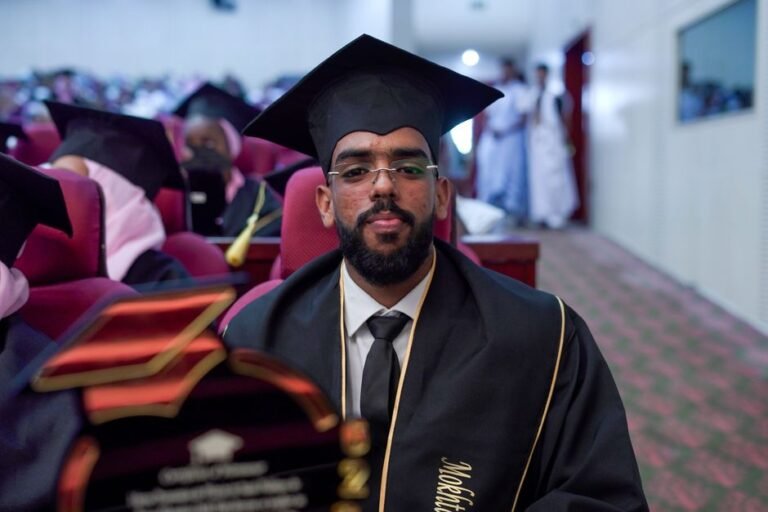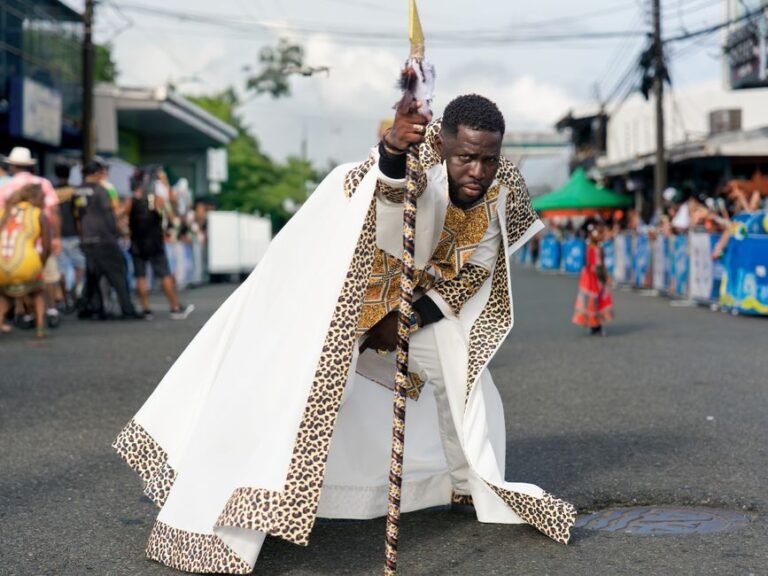
We all know the feeling, don’t we? That fleeting instant, a burst of laughter, a poignant glance, a triumphant cheer – moments that deserve to be immortalised. As event photographers, we’re not just snapping pictures; we’re crafting visual narratives, preserving memories, and forging lasting connections. This isn’t merely a job for us; it’s a passion, a dedication to capturing the essence of an occasion. So, come with us as we delve into the essentials of event photography, sharing the wisdom we’ve gathered over countless shoots, late nights, and early mornings.
We’ve learned that the true groundwork for a successful event shoot begins long before we even press the shutter. Preparation is paramount, and it’s a commitment we make to ourselves and our clients to ensure every detail is considered.
Understanding the Brief – The Blueprint of Our Work
Our first step is always to have a comprehensive discussion with the client. We want to know everything. What’s the purpose of the event? Is it a corporate launch, a wedding, a charity gala, a live concert? Each type of event demands a unique approach. We delve into their vision, their expectations, and any specific shots they absolutely need. Are there key speakers, VIPs, or particular interactions they want highlighted? We’ll ask about the overall tone and atmosphere they hope to convey through the photographs. This isn’t just about taking orders; it’s about understanding the heart of the event, allowing us to align our creative vision with their goals. A clear brief acts as our roadmap, guiding our every decision, from lens choice to post-production.
Reconnaissance – Our Secret Weapon
We never underestimate the power of a good recce. If possible, we’ll visit the venue beforehand. This provides us with invaluable insights. What are the lighting conditions like? Are there large windows, challenging spotlights, or dimly lit areas? We’ll identify potential photographic hotspots – interesting architectural features, scenic backdrops, or areas where key activities will take place. This also allows us to anticipate any logistical challenges, such as crowded pathways, restricted access, or areas with poor internet connectivity if live-sharing is required. We’ll plan our movement, envisioning the flow of the event and how we can best position ourselves to capture those crucial moments without being intrusive.
Gear Selection – Our Trusted Companions
Our cameras are extensions of ourselves, and choosing the right tools for the job is crucial. We typically arrive with at least two professional-grade camera bodies, ensuring we have a backup in case of unforeseen technical issues. Our lens kit is comprehensive, covering a versatile range. Wide-angle lenses are essential for capturing the grandeur of a venue and group shots, while telephoto lenses allow us to discreetly capture candid moments from a distance without disturbing the proceedings. We always pack a fast prime lens, often a 50mm f/1.4 or an 85mm f/1.8, for its ability to perform exceptionally well in low light and create beautiful bokeh, isolating our subjects. Multiple speedlights and triggers are non-negotiable for us, as lighting at events can be incredibly unpredictable. We also carry a robust tripod or monopod for stable shots, a variety of spare batteries, and numerous high-speed memory cards. We believe in being over-prepared rather than under-equipped.
For those interested in enhancing their event photography experience, a great resource is the article on instant printing at events. This piece discusses how capturing and printing photos on-site can elevate the overall experience for guests and create lasting memories. You can read more about this innovative approach to event photography by visiting this link.
Mastering the Light: Our Artistic Brush
Light is the very essence of photography; it shapes our images, evokes emotion, and guides the viewer’s eye. For us, mastering light at an event is a constant dance, a delicate balance between ambient conditions and our creative manipulation.
Harnessing Natural Light – The Golden Hour and Beyond
When natural light is available, we embrace it wholeheartedly. We’re always on the lookout for large windows that can provide soft, flattering light. During outdoor events, we’re particularly fond of the ‘golden hour’ – that magical time just after sunrise or before sunset when the light is warm, soft, and casts beautiful long shadows. We understand how to position our subjects to make the most of this natural beauty, often shooting backlit to create stunning rim lighting effects. However, natural light isn’t always perfect. We’ve learned to adapt to harsh midday sun, using reflectors to fill in shadows or seeking out open shade to provide more even illumination. Our goal is to leverage the available light to create images that feel authentic and vibrant.
Creative Flash Techniques – Illuminating the Scene
Often, natural light simply isn’t enough, especially in dimly lit venues or during evening events. This is where our speedlights come into play. We rarely point our flash directly at our subjects, as this often results in harsh, unflattering light and unsightly shadows. Instead, we master the art of bouncing our flash off ceilings, walls, or even portable reflectors to create softer, more diffused light. We also utilise off-camera flash, strategically placing speedlights to sculpt the light, add depth, and separate our subjects from the background. We experiment with gels to alter the colour temperature of our flash, matching it to the ambient light or adding a creative tint. Learning to balance flash with ambient light is a critical skill for us, ensuring our images look natural and well-lit, rather than obviously ‘flashed’.
Managing Challenging Lighting Scenarios – Adapting and Overcoming
Event photography often throws curveballs, particularly when it comes to lighting. We’ve shot in everything from cavernous halls with inconsistent spotlights to dark, intimate spaces illuminated only by candlelight. Our cameras’ low-light capabilities are pushed to their limits, and we frequently shoot at higher ISOs, knowing how to minimise noise in post-production. We understand the importance of shutter speed to freeze motion, and aperture to control depth of field, all while juggling the available light. We’ll pre-visualise how we can compensate for tricky lighting, whether it’s by using a wider aperture, boosting our ISO, or bringing in additional light sources. Adaptability is key; we can’t control the environment, but we can control how we react to it.
The Art of Composition: Framing the Story
For us, composition is more than just arranging elements within the frame; it’s about guiding the viewer’s eye, creating visual harmony, and telling a compelling story. We strive for images that are not just technically proficient but also aesthetically pleasing and emotionally resonant.
Rule of Thirds and Leading Lines – Our Foundational Principles
We find that the ‘rule of thirds’ is an invaluable starting point. By placing key elements along the intersecting points or lines, we create more dynamic and engaging compositions than simply centring everything. We actively look for leading lines – architectural features, pathways, or even the arrangement of people – that draw the viewer’s eye deeper into the image and towards our subject. These principles provide a solid foundation for our compositions, but we also know when to break them for creative impact.
Capturing Emotion and Connection – The Heart of the Shot
Ultimately, our goal is to capture genuine human emotion and connection. We’re always observing, waiting for those unguarded moments: a spontaneous hug, a shared laugh, a look of pride, or a tear of joy. We train ourselves to anticipate these moments, often pre-focusing and waiting for the right expression. We aim to highlight the interactions between people, illustrating the relationships and dynamics at play. It’s in these authentic, unposed moments that the true spirit of an event is revealed. This often means staying patient, blending into the background, and being ready to react instantly.
Varying Perspectives – Adding Depth and Interest
We believe that a truly comprehensive event portfolio includes a variety of perspectives. We don’t just shoot at eye level. We’ll climb onto chairs (safely, of course!), kneel on the floor, or stand on stage if permitted, to offer fresh and interesting angles. Shooting from above can provide a compelling overview of the crowd or a unique perspective on an activity, while low-angle shots can impart a sense of grandeur or dynamism. Macro shots of details – decorations, food, or rings at a wedding – add a layer of texture and intimacy. By continually changing our perspective, we create a richer, more engaging visual narrative of the event.
Navigating the Event: Blending In and Standing Out
Our job often requires a delicate balance: we need to be present enough to capture every significant moment, yet unobtrusive enough not to distract from the event itself. We pride ourselves on being professional, respectful, and adaptable.
Being Present and Observant – Anticipating the Moment
For us, true event photography means being constantly aware of our surroundings, anticipating what might happen next. We learn to read body language, predict key interactions, and position ourselves accordingly. At a wedding, we might anticipate the father of the bride’s emotional reaction, or at a corporate event, the CEO’s spontaneous interaction with an employee. This heightened awareness allows us to be in the right place at the right time, rather than just reacting to what has already occurred. We’re always scanning the room, looking for potential photographic opportunities, and ensuring we don’t miss those fleeting, unrepeatable moments.
Professional Etiquette – Our Guiding Principles
We believe that professionalism is paramount. This means arriving on time, being suitably dressed for the occasion, and interacting politely and respectfully with attendees and staff. We never impose ourselves on guests or interrupt key moments for a shot. We understand that we are guests at someone else’s event, and our behaviour reflects on our brand. Before the event, we’ll clarify any restrictions on photography, particularly concerning flashes or specific areas. During the event, we maintain a positive attitude, even when faced with unexpected challenges. This commitment to etiquette helps us build trust and ensures a smoother, more enjoyable experience for everyone involved.
Working with Other Vendors – A Team Effort
Events are often complex undertakings involving numerous professionals. We actively seek to establish good relationships with other vendors – event planners, videographers, caterers, and DJs. Collaboration is key. We’ll discuss our preferred shooting positions with the videographer to avoid accidentally appearing in each other’s shots. We’ll coordinate with the event planner regarding the schedule and any last-minute changes. A spirit of teamwork ensures that everyone can perform their best, ultimately leading to a more successful and cohesive event for the client. We understand that we are one piece of a larger puzzle, and a harmonious working relationship benefits all.
When planning an event, capturing the essence of the occasion through photography is essential, and one innovative technique to consider is green screen photography. This method allows for creative backgrounds that can enhance the overall experience for guests. For more insights on how to effectively incorporate this technique into your event, you can check out this informative article on using green screen photography at your event. Embracing such creative approaches can make your event memorable and visually stunning.
Post-Production and Delivery: Polishing the Diamonds
For us, the photography process doesn’t end when we pack away our gear. Post-production is where we truly polish our work, transforming raw images into stunning, cohesive narratives that our clients will cherish.
Culling and Selection – The First Edit
The first, and often most time-consuming, step is culling the images. We ruthlessly go through thousands of shots, eliminating out-of-focus images, unflattering expressions, and duplicates. Our aim is to select only the very best images that tell the story of the event most effectively. We look for technical excellence, strong composition, emotional impact, and relevance to the client’s brief. We believe in quality over quantity, delivering a curated selection of exceptional photographs rather than an overwhelming volume of mediocre ones. This initial edit is crucial for ensuring a high-quality final product.
Editing Workflow – Bringing Our Vision to Life
Once we have our selection, we move into our editing suite. Our workflow typically involves adjusting exposure, white balance, and contrast to ensure consistency across the entire set. We’ll fine-tune colours, making sure they are vibrant and true to life. We also perform subtle retouching, removing minor distractions, perfecting skin tones (if appropriate for the event), and sharpening details. We maintain a consistent editing style that reflects our brand, ensuring that every image we deliver is immediately recognisable as our work. This isn’t about drastically altering reality; it’s about enhancing the beauty that’s already there and ensuring every photograph shines.
Delivery and Presentation – The Final Impression
How we deliver our images is just as important as the images themselves. We typically provide our clients with a private online gallery, allowing them to easily view, share, and download their photographs. We also offer options for high-resolution digital files and professionally printed albums or prints for those who desire tangible keepsakes. We aim for a swift turnaround without compromising on quality, as we know our clients are eager to relive their event. The presentation of our work, from the online gallery’s design to the packaging of prints, is a reflection of our professionalism and attention to detail. We want the delivery to be a memorable experience in itself, solidifying the excellent service we’ve provided from start to finish.
In conclusion, event photography is an intricate blend of preparation, technical skill, artistic vision, and unwavering professionalism. We pour our hearts into every shot, striving to capture not just images, but emotions, stories, and the unique spirit of each occasion. It’s a challenging yet incredibly rewarding field, and we wouldn’t have it any other way. We hope our shared experiences and insights can help inspire and guide fellow photographers on their own journey to capturing those unforgettable moments. Every click of our shutter is a testament to our dedication, our craft, and our passion for preserving memories, one frame at a time.
Estimate your event costs
FAQs
What is event photography?
Event photography is the practice of capturing images at events such as weddings, parties, corporate functions, and other special occasions. The goal is to document the event and capture the emotions, interactions, and key moments that occur.
What are the key skills required for event photography?
Key skills required for event photography include a good understanding of lighting, composition, and camera settings. Additionally, the ability to work well under pressure, interact with clients and guests, and the ability to capture candid moments are also important.
What equipment is typically used for event photography?
Event photographers typically use digital single-lens reflex (DSLR) cameras, a variety of lenses (such as wide-angle, telephoto, and prime lenses), external flash units, and other accessories like tripods and reflectors. Additionally, some photographers may also use mirrorless cameras and other specialized equipment.
What are the important considerations for event photography?
Important considerations for event photography include understanding the client’s expectations, scouting the event location beforehand, being prepared for various lighting conditions, and having a backup plan for equipment failure. It’s also important to be respectful of the event’s schedule and to be mindful of guests’ privacy.
What are the different styles of event photography?
Different styles of event photography include traditional posed portraits, candid shots, photojournalistic storytelling, and artistic or creative compositions. The style chosen often depends on the nature of the event and the preferences of the client.