Guests leave corporate events with plenty of things: a lanyard, a tote bag, a notebook they will never open again. What they rarely leave with is a photograph of themselves, taken that day, printed and in their hand while the event is still running. Print on-site photography changes that. The image is captured, edited and printed at the venue within seconds, so the keepsake exists before the room has emptied, and it carries your branding with it.
That shift, from a gallery link emailed days later to a physical print handed over on the night, is quietly reshaping how event organisers think about photography. It is no longer only about documenting what happened. It is about producing something guests want to keep.
What Print On-Site Photography Actually Means
Instant printing in event photography refers to capturing photos at an event and printing them on the spot, giving attendees an immediate print to take away. There is no ordering process, no waiting for a courier, and no folder of images that sits unopened in someone’s inbox. The photograph is a finished object within the event itself.
The technology behind it is not exotic. Modern workflows make it possible to upload photos in real time, print them within minutes, and even share them instantly with guests at the same event. A photographer shoots, the file moves to an editing station, and a printer produces the finished print. In the best setups, the gap between the shutter click and the handover is measured in seconds rather than minutes, which keeps queues moving and means every guest walks away with something.
Why an Instant Print Beats a Gallery Link
The difference between a digital gallery and a print in someone’s hand is the difference between a file and a keepsake. Both have their place, but they do different jobs.
The keepsake effect
A print is physical. It goes home in a bag, ends up on a desk, a fridge door or a pinboard, and it keeps working long after the event has finished. Digital galleries are valuable, but they rely on someone remembering to log in, find their photo and download it. A print requires no effort at all.
Branding on every single print
Because the printing happens on site, each image can be produced with your branding already on it. Logos, event hashtags and custom borders can be printed on every photo, turning each print into a takeaway that guests keep long after the night has ended. For sponsors and marketing teams, that is the appealing part: the branding does not sit on a banner in the corner of a room, it travels home in a guest’s bag.
An excuse to stay and take part
An on-site printing station gives people a reason to step in front of a camera, wait a moment, and strike up a conversation with whoever is standing next to them. At conferences, exhibitions and brand activations, that small queue is often one of the busiest spots in the room.

From Shutter to Print: How the Workflow Runs
A typical on-site printing setup moves through four stages, all inside the venue.
- Capture. A photographer works either at a fixed mini studio or as a roaming photographer moving through the room, depending on the format of the event.
- Edit. Images are selected, colour corrected and prepared for print. In fast-moving setups this happens in seconds, so the queue keeps moving.
- Print. The finished file goes to a printer on site. Branding, borders and hashtags are applied as part of the print design rather than added later.
- Share. Alongside the physical print, guests receive instant digital copies to share, and organisers get a same-day gallery to use for internal communications and social media.
Print sizes are flexible. Mainstream photo printing services commonly offer formats from 10×10 cm up to 15×20 cm, and these sizes translate well to event printing, with small square prints easy for guests to carry and larger formats better suited to a framed display or a presentation handover.
What Shapes the Cost of On-Site Printing
On-site printing packages advertised in the UK start from £450, which typically includes the photographer, printer and setup, with no hidden fees. The final quote depends on the event itself, so it is sensible to ask for a written breakdown before confirming anything.
| Element | What it covers |
|---|---|
| Photographer | Coverage of the event, working either from a fixed studio or roaming the room |
| Printer and setup | On-site printing equipment, configured and staffed for the duration of the event |
| Guest numbers | A key factor in the final quote, since more guests means more prints and more print time |
| Run time | How long the printing station operates during the event |
| Branding | Logos, event hashtags and custom borders applied to each print |
| Digital copies | Instant digital sharing for guests plus a same-day gallery for the organiser |
Because guest numbers and run time drive the quote more than almost anything else, it helps to give a realistic estimate of footfall rather than an optimistic one. If your event has a peak period, say a drinks reception or a registration window, that is exactly the detail a supplier needs to plan staffing and printing capacity.

Where On-Site Printing Earns Its Place
The format suits events where people want a record of themselves, and where the organiser has something to promote.
- Conferences and exhibitions. A print from a professional headshot or mini studio setup gives delegates something more useful than another branded pen.
- Brand activations. A branded print turns a passing interaction into an object that leaves the venue and circulates among friends and colleagues.
- Graduations and proms. Families want the photograph immediately, which is why instant printing has become a fixture at these events.
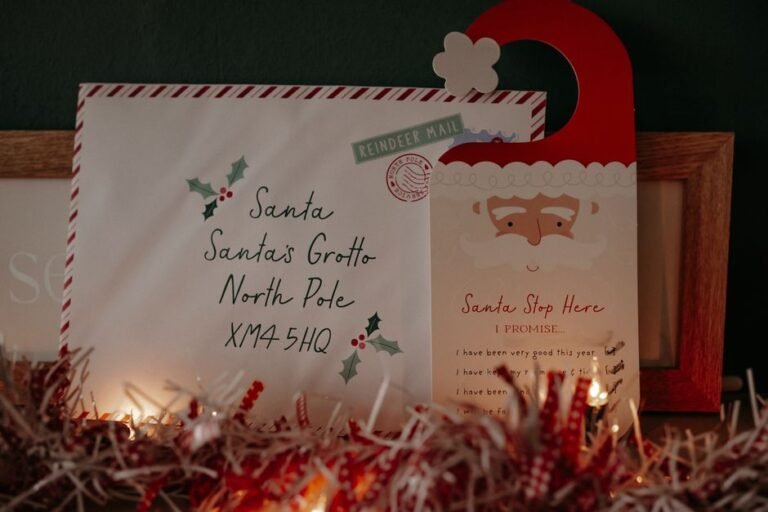
- Festive events and grottos. A printed photograph of a child with Santa is one of the few event keepsakes that reliably survives the journey home.
- Awards evenings and gala dinners. Table-by-table photography with prints handed over during the evening keeps the room engaged between courses.
Providers of this service have run on-site printing at hundreds of events for major brands as well as smaller organisations, and the same format scales down comfortably to a single photographer with one printer.
Planning a Setup That Keeps the Queue Moving
Print quality is only half the job. The other half is throughput, and that depends on how the station is planned.
Decide in advance whether you want a fixed studio, where guests come to you, or roaming photography, where the photographer goes to them and prints are collected from a central point. Fixed setups produce more controlled images and suit headshots and posed group shots. Roaming coverage captures the room as it actually is, which tends to work better for drinks receptions and networking events.
Think about where the printing station sits. It needs to be visible but not blocking a walkway, and close enough to power and to the main flow of guests that people notice it without being directed. Agree the branding in advance, including logo files and any hashtag you want printed, and confirm the print size so that borders and logos are designed for the right format.
Finally, agree how the digital side will work. Instant copies for guests and a same-day gallery for the organiser mean the marketing team has usable images before the post-event meeting, not three weeks after it.

Why This Points to the Future of Event Keepsakes
Event photography has spent the last decade moving towards faster delivery, and printing on site is where that trend lands. The photograph stops being an archive item and becomes part of the guest experience, produced on the night, branded for the organiser, and taken home by someone who will actually look at it again.
For anyone planning a conference, activation, graduation or festive event, the practical question is simple: what do you want guests to still have in six months? A printed photograph has a far better chance than most of the alternatives.
Frequently Asked Questions
How quickly can photos be printed on site?
The best setups work in seconds rather than minutes. Photos are captured, edited and printed on the spot, so the queue keeps moving and every guest walks away with a print in hand during the event itself. Modern workflows make it possible to upload images in real time, print within minutes, and share digital copies immediately.
Can our logo and event hashtag appear on the prints?
Yes. Logos, event hashtags and custom borders can be printed on each photo, turning every print into a branded keepsake that guests keep long after the event. It is worth supplying high resolution logo files and confirming the print size in advance, so the artwork sits properly within the chosen format.
Do guests also receive digital copies?
They can. Alongside the physical prints, guests can receive instant digital copies to share on social media, and the organiser typically gets a same-day gallery for their own communications. That combination means the marketing team has usable images before the post-event meeting, rather than waiting weeks for a delivery.
How much does on-site event printing cost?
UK on-site printing packages start from around £450, which usually includes the photographer, printer and setup, with no hidden fees. The final price depends on your guest numbers and the run time of the printing station, so ask for an itemised quote and give a realistic estimate of footfall to avoid surprises.
Which events suit on-site printing best?
Conferences, exhibitions, brand activations, graduations, proms, awards evenings and festive events all work well, because guests want a photograph of themselves on the day. Smaller events are equally viable, since a single photographer with one printer can deliver the same service on a reduced scale.